
Common Mistakes to Avoid After a Car Accident
Being involved in a vehicle collision is a very jarring experience that leaves most drivers feeling shaken and overwhelmed. In the chaotic moments right after a crash, it is easy to make missteps that accidentally weaken your physical recovery or your legal standing. Knowing what pitfalls to avoid protects your well-being while preserving your ability to pursue fair compensation. Understanding the basics of car accident law empowers you to handle the aftermath with a clear head and avoid costly errors.
Even seemingly minor fender benders can lead to unexpected medical bills alongside drawn-out insurance negotiations. When you take deliberate, informed steps at the scene and in the following days, you build a strong foundation for your claim. Learning about these common post-collision mistakes helps ensure you do not forfeit valuable legal protections while recovering from an unexpected crash.
Addressing Health and Safety Immediately After Impact
Seeking Prompt Medical Evaluations for Hidden Injuries
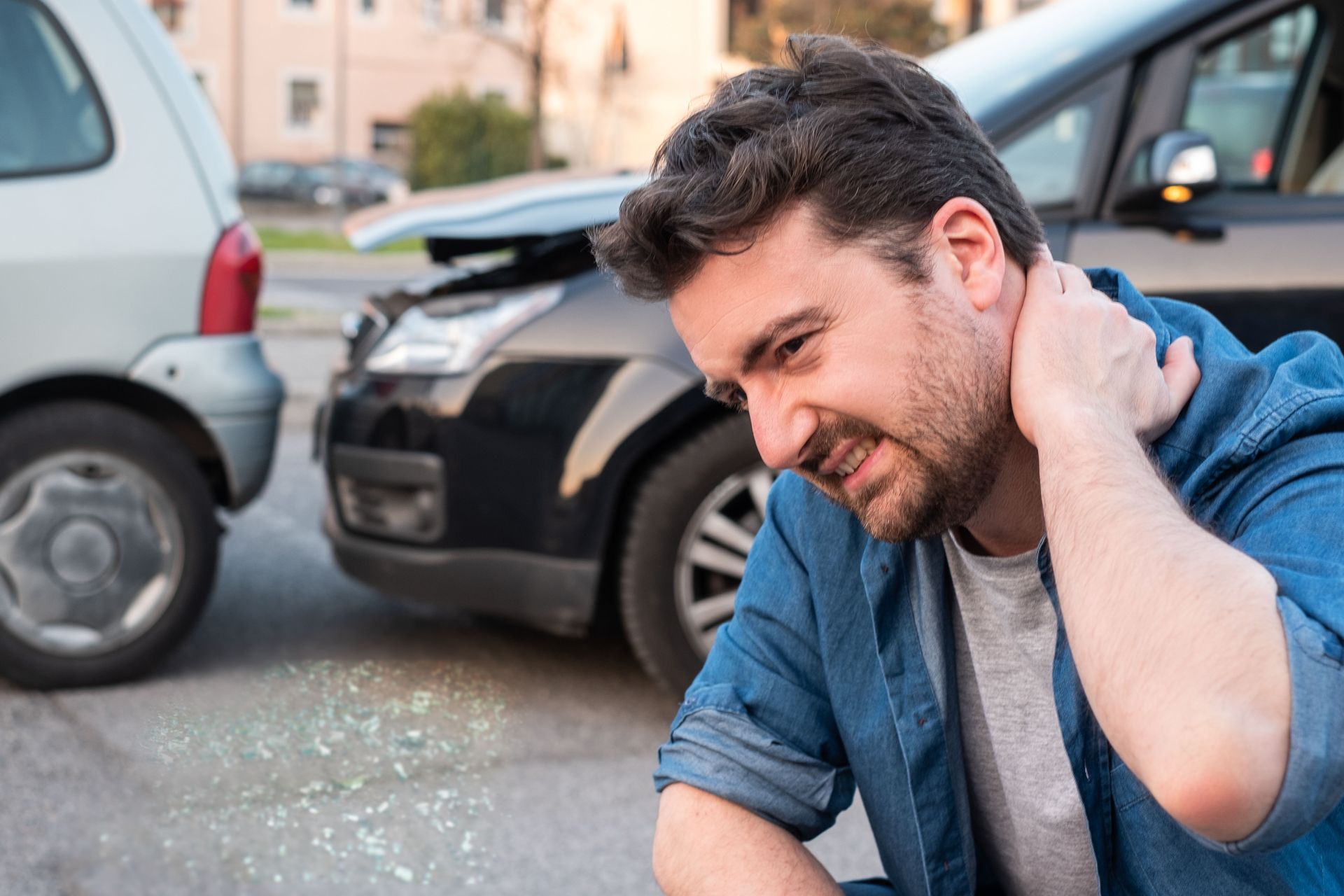
Many people walk away from a collision assuming they escaped unharmed simply because they do not feel immediate pain. However, the sudden surge of adrenaline after a stressful crash frequently masks serious physical trauma. Soft tissue injuries and concussions often take hours or even days to produce noticeable stiffness or discomfort.
Visiting a healthcare provider promptly ensures that hidden injuries are diagnosed and treated before they worsen. Equally important, prompt medical visits create an official clinical record linking your physical symptoms directly to the crash. Insurance adjusters routinely argue that delayed medical treatment means your injuries happened elsewhere. Following through with recommended follow-up appointments also shows that you are taking your recovery seriously, which safeguards both your physical health and your legal claim.
Contacting Law Enforcement to Document the Scene
Some drivers feel tempted to settle things privately at the roadside without calling the police, especially when vehicle damage appears minor. Skipping an official police report is a risky mistake that often backfires when the other driver later changes their story. Law enforcement officers provide an impartial, official record of the collision details and witness accounts.
An official accident report carries substantial weight during insurance reviews and legal proceedings. Officers document traffic citations while recording visible property damage and witness statements before memories fade. Having a formal police report protects you against false accusations and ensures you comply with local reporting laws.
Avoiding Costly Communication and Evidence Mistakes
Refraining from Apologizing or Admitting Fault
Politeness often leads people to say they are sorry right after an unexpected bump or collision, even when they did nothing wrong. Unfortunately, insurance adjusters and opposing attorneys can interpret a polite apology as a formal admission of liability. Stick strictly to objective facts when speaking with officers and other motorists, avoiding any speculation about what caused the crash.
Determining legal responsibility requires reviewing physical evidence rather than reacting to emotional roadside guesses. According to You Factors, roughly 94% of traffic collisions result from human mistakes, which makes an objective investigation essential for identifying every contributing factor. Letting trained investigators and legal professionals evaluate the facts keeps you from accidentally undermining your own case.
Gathering Thorough Visual Proof and Witness Details
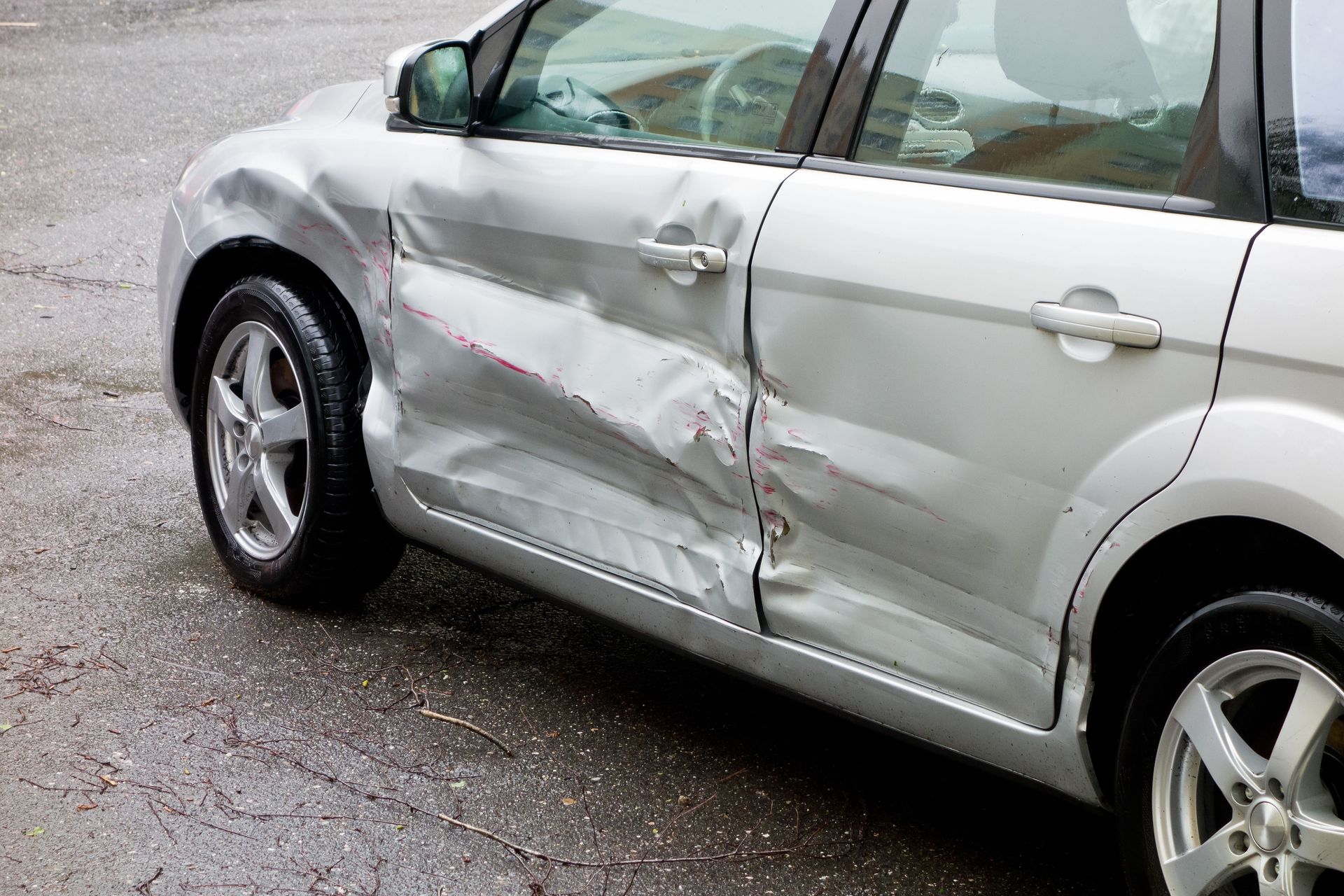
Once everyone is safely out of active traffic lanes, documenting the scene provides invaluable evidence for your claim. Road crews and tow trucks clear away debris quickly, erasing vital clues about how the crash unfolded. Use your cell phone camera to capture wide shots of the intersection alongside close-up images of vehicle damage.
Collecting names and phone numbers from neutral bystanders is just as helpful as taking photographs. Independent witnesses offer unbiased perspectives that confirm your account when another motorist disputes what happened. Preserving this visual and testimonial proof early gives your legal counsel solid evidence to back up your claim.
Navigating Insurance Claims and Legal Procedures
Reporting the Incident to Your Insurance Carrier Promptly
Notifying your own insurance provider shortly after a crash is required under nearly every auto policy. Waiting too long to report the incident can give your insurer grounds to delay processing or deny coverage altogether. Keep your initial report factual and concise, sticking to the basic timeline and location of the collision.
While you must notify your own carrier, exercise caution when speaking with the at-fault driver's insurance adjuster. Adjusters often call quickly, hoping to obtain a recorded statement before you understand the full extent of your injuries. Politely decline to give recorded statements or sign medical release forms until you have explored your options under car accident law.
Understanding How Injury Claims Protect Drivers
Many injured motorists accept low initial settlement offers simply because they do not realize what damages they are entitled to recover. Insurance companies prioritize protecting their bottom line, often offering quick payouts that barely cover immediate emergency room bills. Navigating car accident law requires evaluating long-term rehabilitation expenses as well as lost wages from missed work.
Once you sign a settlement release, you permanently give up your right to seek additional compensation later, even if your injuries require surgery down the road. Taking time to understand how car accident law applies to your specific injuries prevents you from settling for far less than your recovery truly costs.
Partnering With Experienced Legal Counsel
Evaluating Settlement Offers Versus Courtroom Trials
Resolving an injury claim involves weighing the certainty of a negotiated settlement against the potential outcome of a courtroom trial. Most injury claims resolve outside of court through structured negotiations, where attorneys present medical records and accident evidence to demand fair compensation. Strong preparation shows the insurance carrier that you are ready to fight for a just outcome.
If an insurance company refuses to offer reasonable compensation, taking the case before a judge and jury becomes necessary. Working with an advocate experienced in car accident law ensures your case is prepared for both the negotiating table and the courtroom. Having skilled representation levels the playing field against large insurance corporations and protects your financial future.
Avoiding Social Media Pitfalls During Your Case
Sharing updates about your recovery online can unintentionally jeopardize a pending injury claim. Insurance adjusters regularly review public profiles looking for photos or posts that contradict your reported physical limitations. Even an innocent picture at a family gathering can be taken out of context to argue that your injuries are not severe.
Keeping your recovery private while your claim is active protects your credibility throughout negotiations. Ask friends and family members not to tag you in photos or discuss the collision online until your legal matter is completely resolved.
Recovering from a serious collision requires patience and steady guidance. Avoiding common post-accident mistakes protects your health and preserves crucial evidence while you focus on healing. Navigating the complexities of car accident law is much easier when you have an experienced local advocate fighting in your corner.
Serving clients in Guntersville and surrounding Alabama communities, Jim Beard Attorney At Law brings dedicated personal attention to auto accident and personal injury cases. Whether your claim resolves through a fair settlement or requires vigorous courtroom representation, his office works tirelessly to pursue the compensation you deserve. If you or a family member has been injured in a crash and needs clear guidance on car accident law, contact Jim Beard Attorney At Law today to schedule an appointment.






Share On: